Flinders – E300
Because of my obsession with different camera sensors I had to buy a used 2004 Olympus E-300 because its famed Kodak CCD sensor
I’ve had mine for about 18 months and it’s a really nice camera. It’s a quirky 8MB 4/3 DSLR from 2004 with a porro-mirror and this strange chunky form factor. I also bought the 25mm (50mm equivalent) pancake which is great and makes it quite compact.
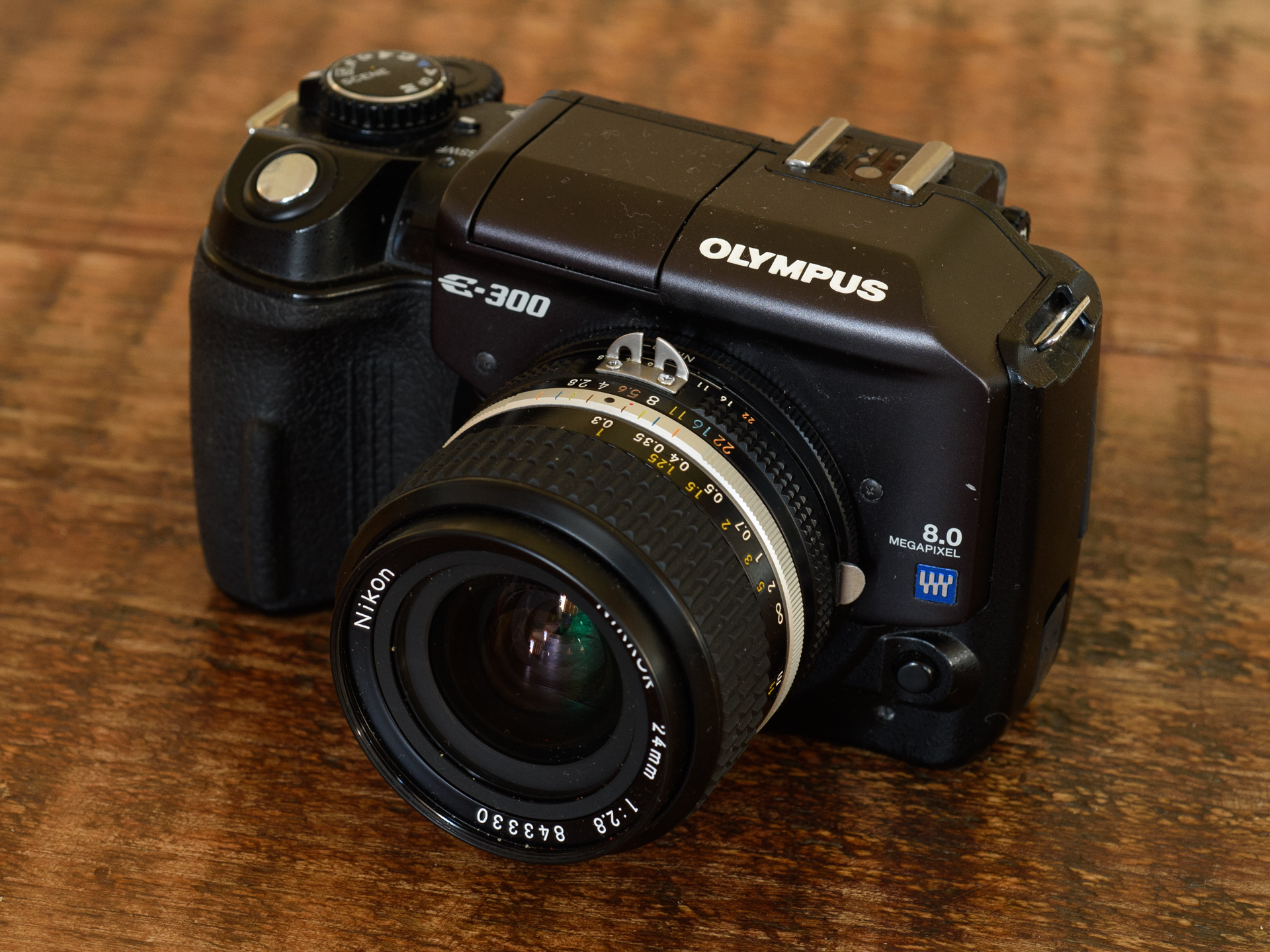
When the camera was new to me I decided to try it out on a trip Margot and I made to the Flinders ranges about 500 km north of where we live. They’re not really mountains – more like bumps, but South Australia is very flat and these are very beautiful. I managed to find an F to 4/3 adapter so I whacked my Nikkor 24mm on it for a 50 mm equivalent. Because I was shooting long exposure seascapes at the time I also took my 10 stop ND filter.
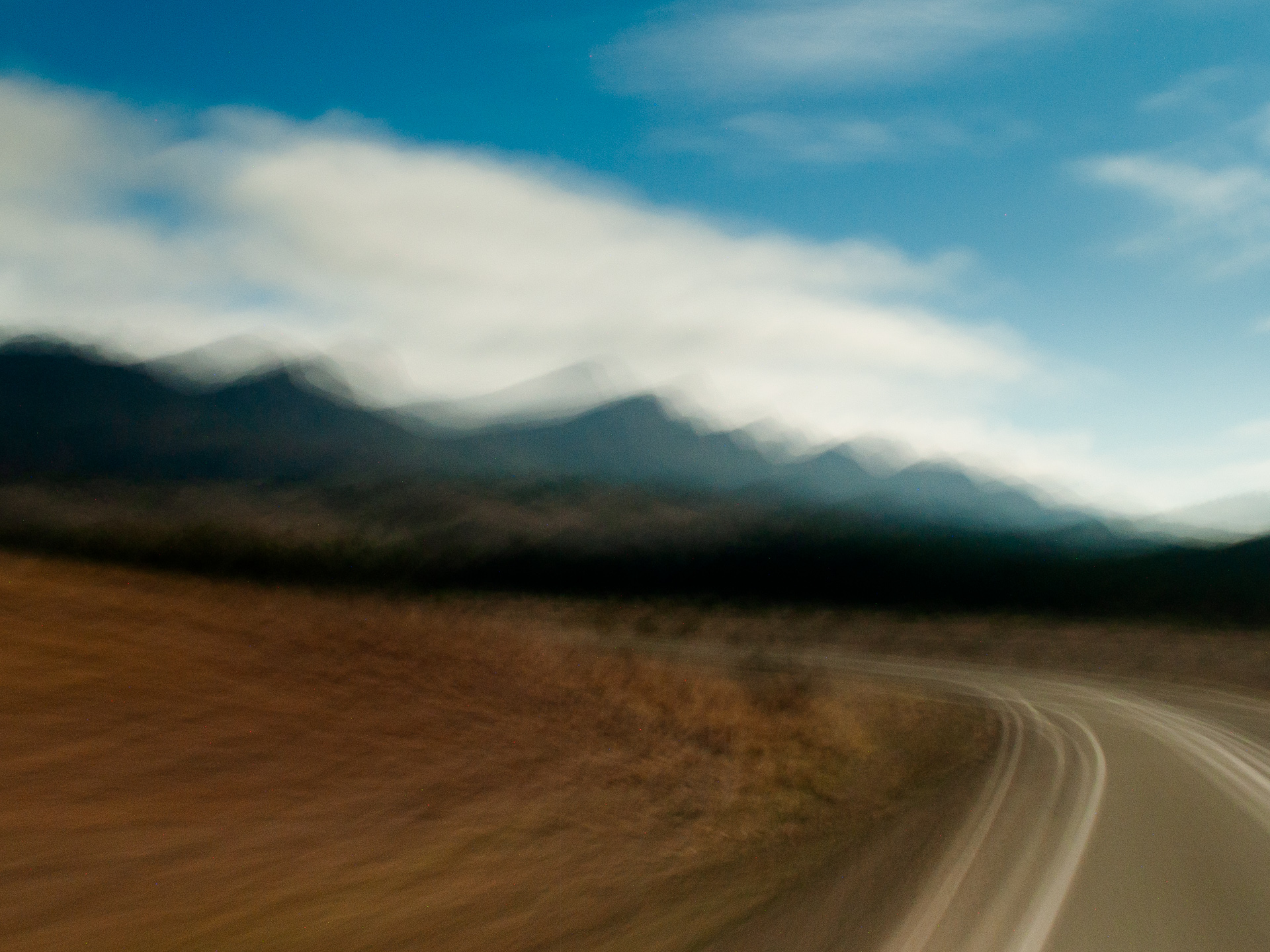
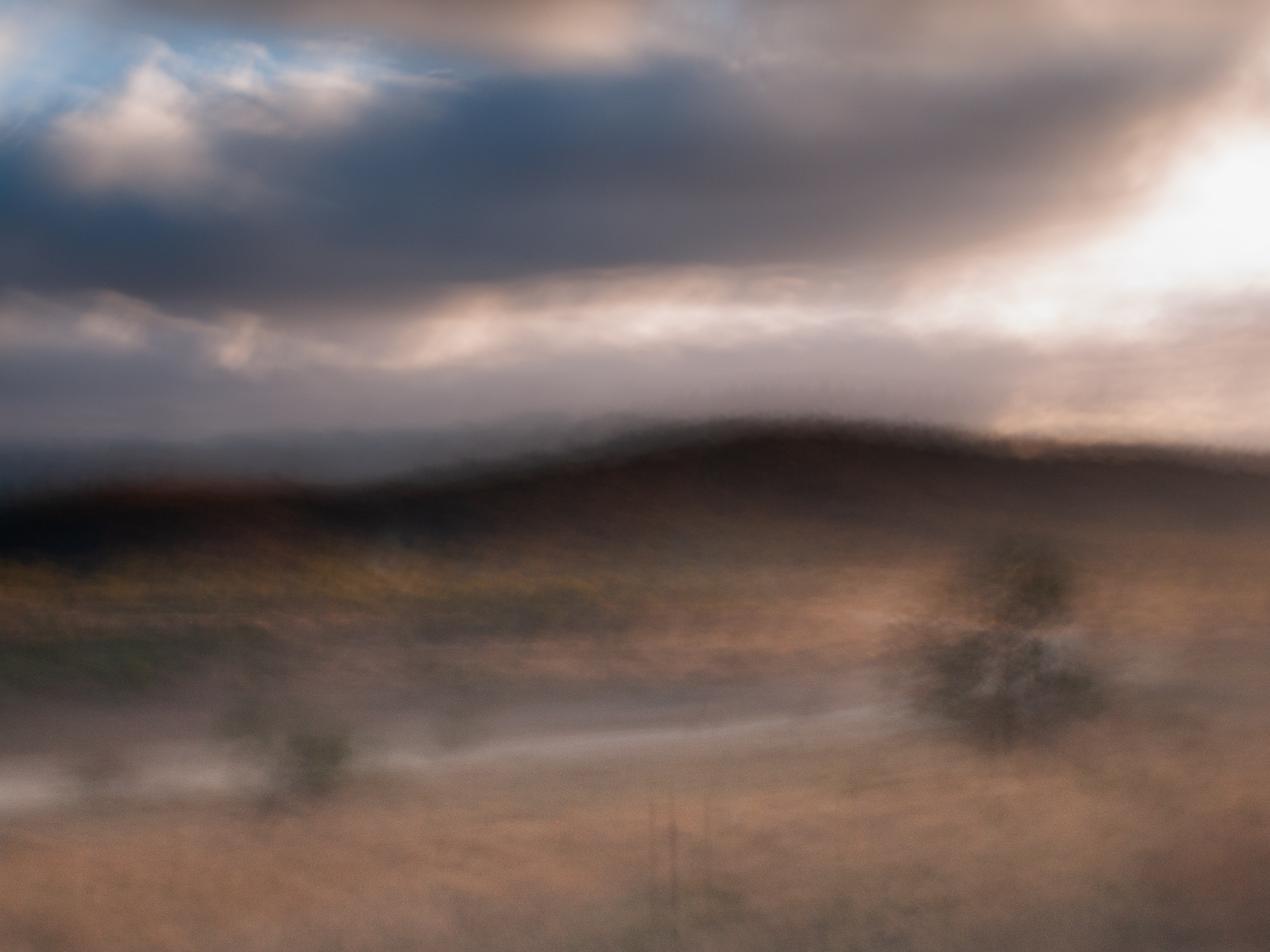
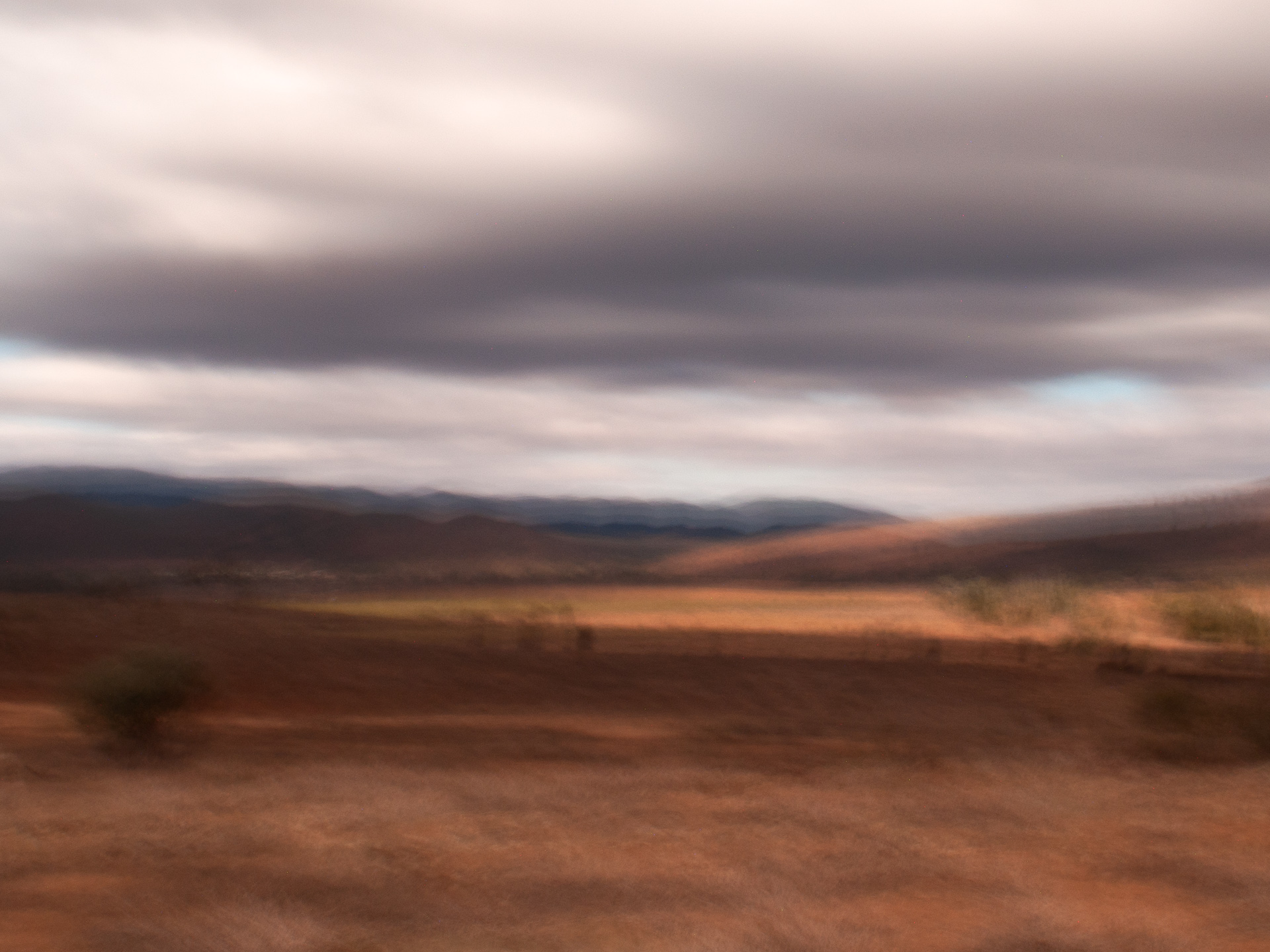
I am fond of a project, and I’ve taken many series of photographs up in the Flinders. This time I thought I would set myself the task of seeing if I could show the experience of travelling through the ranges. So I guess you would call these ICM, the acronym for intentional camera movement. Whether or not it’s intentional is moot if you are driving along in a car and happened to stick the camera out of the window. I guess you could call it inevitable camera movement. In any case let me say that I am rather suspicious of ICM because it’s one of those things that appeal when people first see it, but quickly becomes clichéd. My observations are that it’s easy to do badly and difficult to do well. Let’s just say there’s a lot of really bad ICM on Instagram.
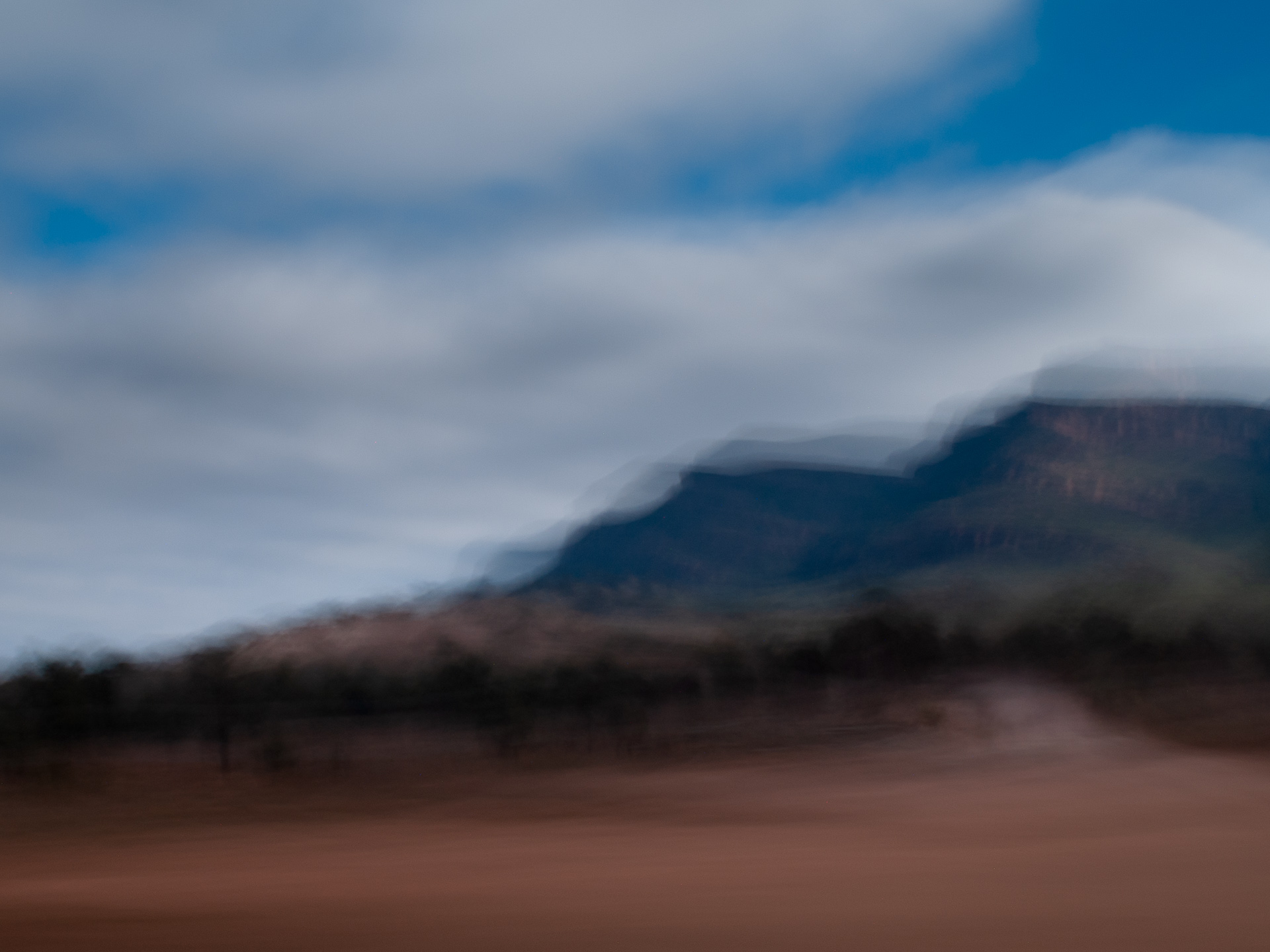
I won’t make any great claims for these photos, but I don’t find them displeasing. So, what about the camera? Does the sensor contain some kind of magic? Not really. However, I will give it it’s due. These frames they are lightly processed raws. All I’ve done to them though is shift the black point and the white point to something I find pleasing. I think I would say that this sensor does respond very quickly and easily to simple manipulations to give me something I like. The exposure times are one or two seconds here. I was using the camera on manual, guessing the exposure from the rear LCD which is about the size of a postage stamp by the way, but very quaint.
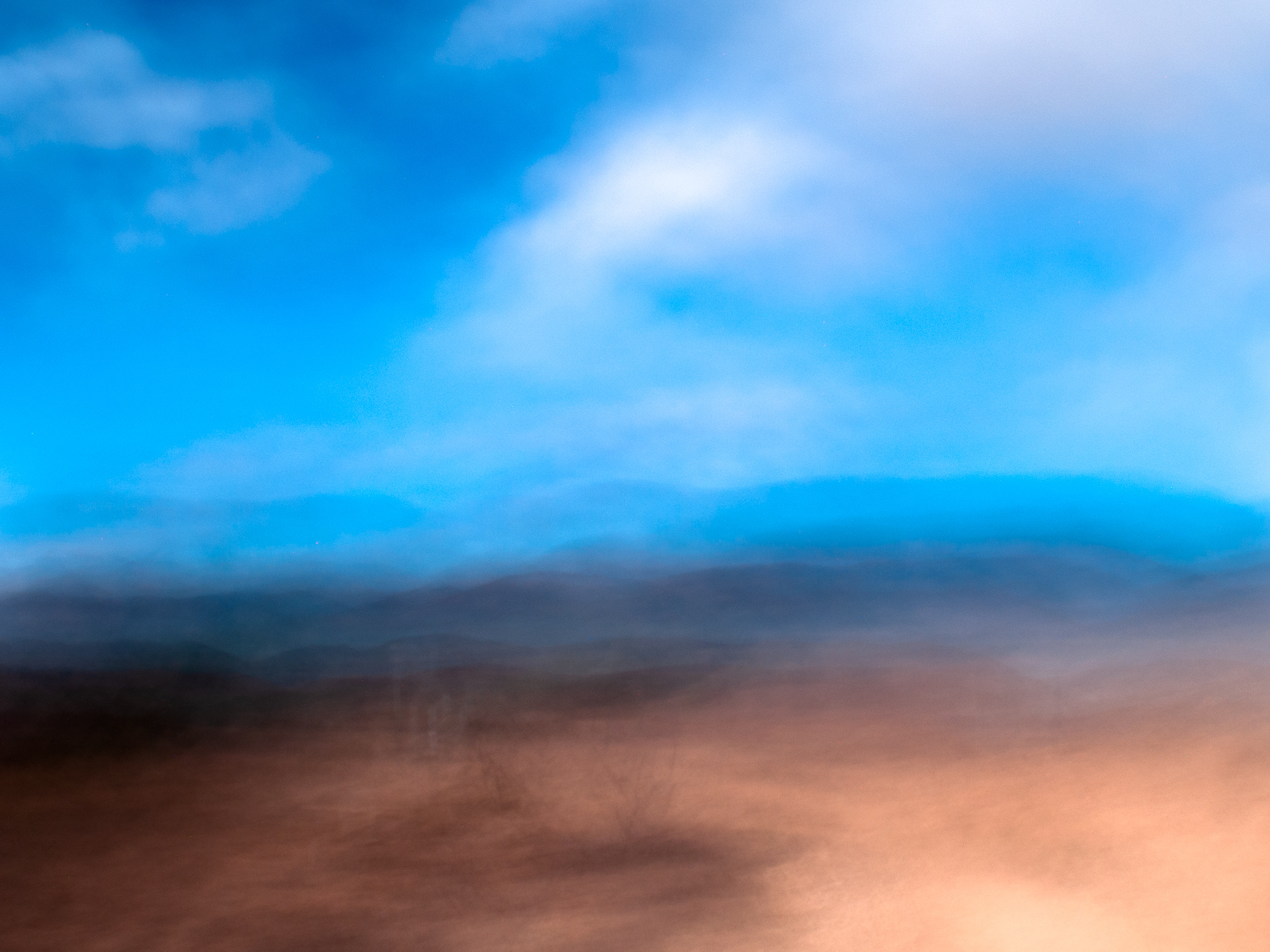
So there you have it. I came across this set in my Lightroom catalogue when I was looking for examples of photographs taken with this camera and it seemed to lend itself to a short story.